
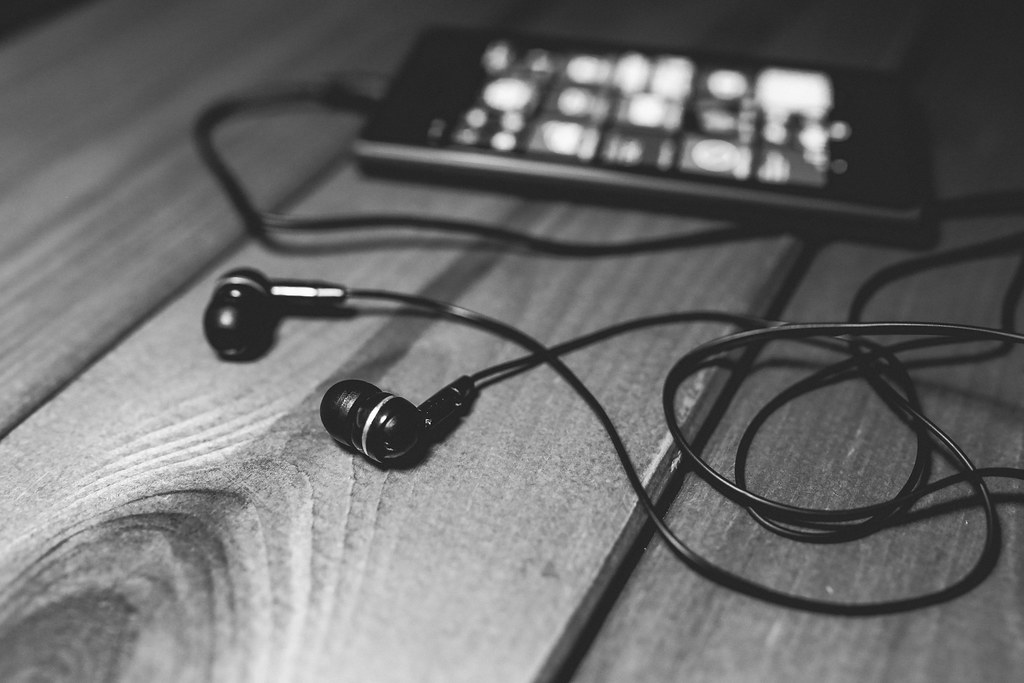
We live in an age when almost every song is only a tap away. A streaming service can build a playlist in seconds, recommend an artist we have never heard, and quietly learn which tracks we skip before the first chorus. Music has never been easier to find—yet the best listening moments still feel strangely unpredictable.
A song catches us at the right time. A melody unlocks a memory we had forgotten. A familiar lyric suddenly means something different because our life has changed. Technology can deliver the recording, but it cannot fully explain what happens after we press play.
Music turns memory into a place
Most of us have songs that act like hidden doorways. A few notes can bring back a particular summer, a late-night drive, a first concert, or a person we have not seen in years. The details may be blurry, but the feeling returns with surprising clarity.
That is one reason old favorites remain powerful. We are not simply hearing the same recording again. We are hearing it alongside every previous version of ourselves that listened before. The song stays fixed while its meaning grows.
Imperfection gives music character
Great music is not always spotless. Sometimes its most memorable feature is a breath before a vocal line, the scrape of fingers on guitar strings, a drum hit that lands with extra force, or a voice that cracks at exactly the right moment.
These details remind us that music is more than an arrangement of frequencies. It is a performance: a human decision unfolding through time. Even electronic music, built with precise tools, becomes expressive through choices about tension, silence, repetition, texture, and surprise.
Discovery is better when it feels personal
Algorithms are useful guides. They can lead us from one genre to another and surface independent artists who might otherwise remain invisible. But discovery becomes memorable when curiosity plays a role.
Maybe a friend sends us a track without explanation. Maybe we hear something drifting from a café, encounter an unfamiliar name on a festival poster, or follow a sample back to its source. The path becomes part of the story, giving the song a context no automated playlist can manufacture.
Shared listening creates connection
Listening through headphones can feel intensely private, but music also has a remarkable ability to connect strangers. At a concert, thousands of separate lives briefly move to the same rhythm. In a small room, one person choosing the next record can change the entire atmosphere.
We also use music when ordinary language is not enough. A playlist can say, “This reminds me of you.” A song can offer comfort without demanding a conversation. Singing together can turn an audience into a community for the length of a chorus.
The next favorite song is still out there
The modern music landscape can feel overwhelming. There are more releases, playlists, clips, and recommendations than anyone could explore in a lifetime. But that abundance carries a hopeful thought: somewhere, a song we have not heard yet may become essential to us.
Perhaps that is where the magic survives. We can measure tempo, map listening habits, and predict taste with impressive accuracy, but we cannot schedule the exact moment a piece of music will matter. The door is always open. We only have to keep listening.